
Blog / Escape

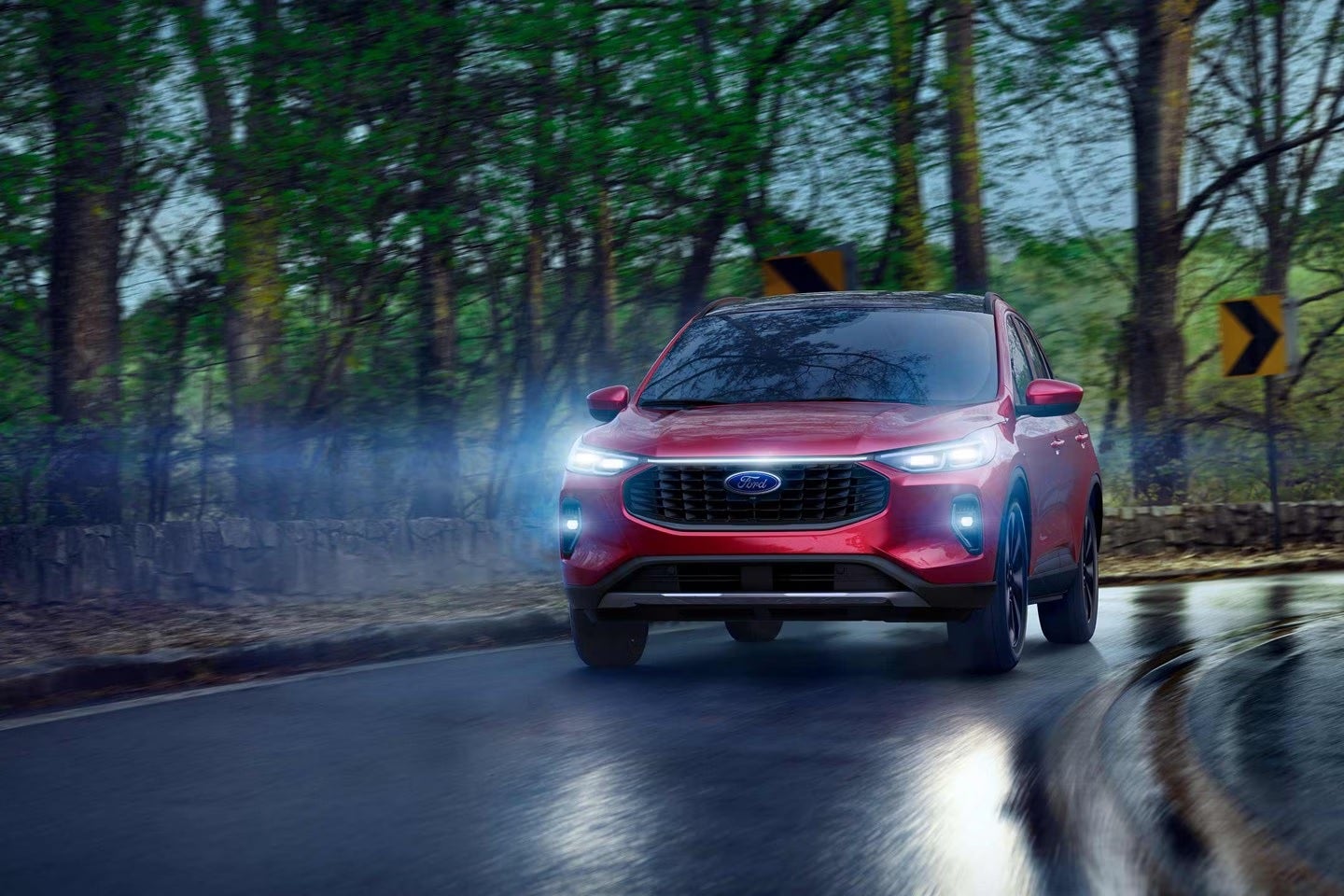
2026 Ford Escape

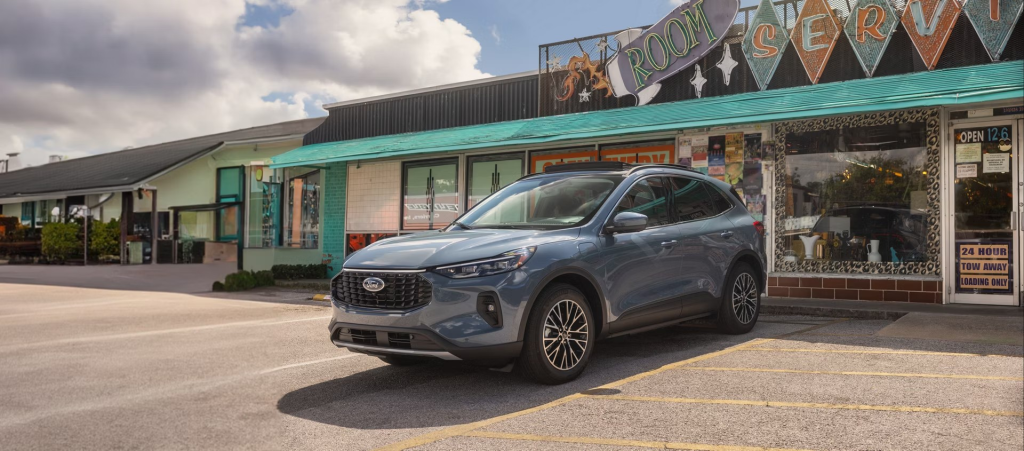
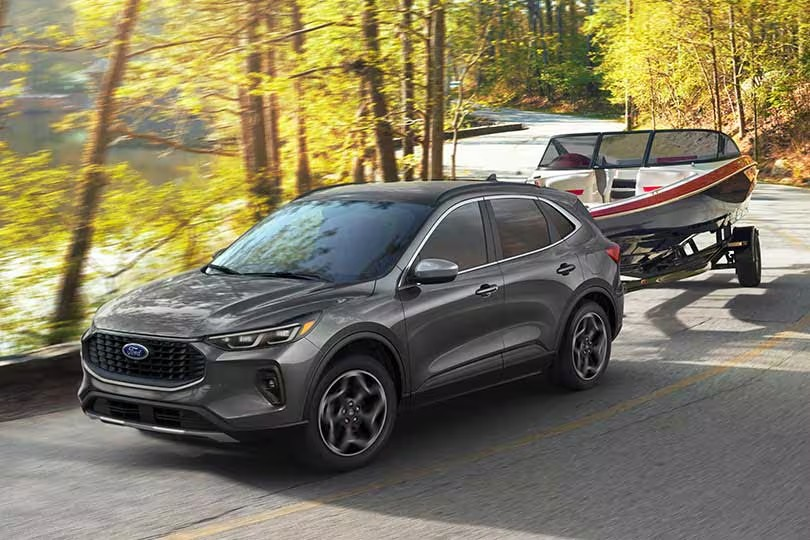
The 2026 Escape essentially carries forward the familiar compact-SUV formula Ford has refined, but with a few purposeful tweaks. It’s offered with a range of powertrains — including a 1.5 L EcoBoost three-cylinder, a 2.0 L EcoBoost four-cylinder, a 2.5 L hybrid, and a 2.5 L plug-in hybrid — covering gasoline-only, hybrid, and PHEV buyers. Cargo space varies by powertrain (up to about 65.4 cu ft with the rear seats down), and towing capability with the optional Class II package can reach up to ~3,500 lbs with the 2.0 L engine. AWD is available across much of the lineup.

Inside and out, the 2026 Escape builds on the existing design with updated styling and technology upgrades. Higher trims offer a large 13.2-inch SYNC 4 touchscreen with enhanced voice recognition and an available 12.3-inch digital instrument cluster. At the same time, standard models retain an 8-inch infotainment display with wireless Apple CarPlay/Android Auto and connected features. Materials and cabin ergonomics have been refreshed for a more modern feel, and optional features like a panoramic roof, heated seats, and upgraded audio enhance comfort. Safety tech remains strong, with Ford Co-Pilot360 features such as Pre-Collision Assist, Lane-Keeping System, and Blind Spot Information System, with adaptive cruise control and other advanced assists available in packages.

On the mechanical/regulatory side, the 2026 Escape sees a few notable changes over prior years, reflecting its position as a last-year model. Most significantly, specific hybrid configurations that previously could be ordered in front-wheel-drive are now exclusively AWD, and the model’s emissions setup means it doesn’t meet California’s stricter certification standards (limiting sales in California and a handful of other states). Exterior alterations are minimal — for example, one paint color that was previously no-cost now carries an extra charge — reinforcing that this year mostly continues the established platform with modest refinement rather than a complete redesign.
Posted in:

Related Posts

Escape banner

Benefits of Owning a Ford Escape!

The 2024 Ford Escape is a compact SUV that combines practicality, fuel efficiency, and a range of features. Here’s an overview of what it has to offer: Fuel Economy: The 2024 Ford Escape offers a variety of powertrain options, each with different fuel efficiency ratings: 1.5L EcoBoost Engine (FWD): City: 26 mpg Highway: 32 mpg Combined: 28 mpg 2.0L EcoBoost Engine (FWD): City: 23 mpg Highway: 31 mpg Combined: 26 mpg 2.5L I-4 Hybrid Engine: City: 42 mpg Highway: 36 mpg Combined: 39 mpg Plug-in Hybrid (2.5L I-4 Engine): All-Electric Range: Up to 37 miles (MPGe) Combined: Varies based on electric and gasoline usage Interior and Features: The Escape provides a spacious cabin with user-friendly infotainment features. The base trim has been replaced by the Active trim for 2024. While the cabin materials are somewhat basic, upgrading to the ST-Line or Platinum trims brings better materials and finishes. The infotainment system is intuitive, and physical buttons control key functions. The ST-Line model offers a flat-bottomed steering wheel, unique wheels, and sporty styling cues. Engine Options: The base engine is a 180-horsepower turbo-three-cylinder, providing decent power and acceleration. For more spirited performance, consider the 250-hp turbocharged 2.0-liter four-cylinder available in the ST-Line trim. The Escape drives more like a car than an SUV, with light steering and predictable braking. It’s suitable for light off-roading but not extreme trails. The 2024 Ford Escape is a practical choice with a range of powertrains, decent fuel economy, and a comfortable interior, and remains a solid value for families seeking reliable transportation. Take a look at the different Escape models and find the one that matches your lifestyle!

Rear three-quarter view of the GTD

2026 Ford Mustang GTD: 815 HP, Racing Technology & Performance

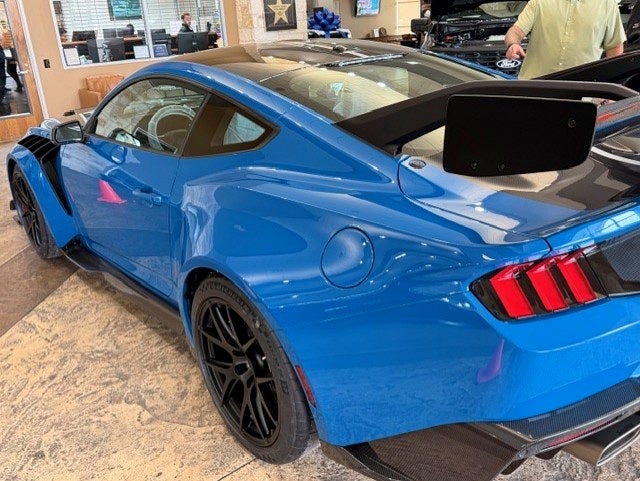
When American muscle meets motorsport engineering, horsepower becomes only part of the equation. There are fast cars, and then there are cars designed to challenge the definition of what a road car can accomplish. The 2026 Ford Mustang GTD belongs firmly in the latter category. At first glance, its intentions are hardly subtle. An enormous rear wing, aggressive carbon-fiber aerodynamic components, widened bodywork and a purposeful front splitter leave little doubt about its priorities. This is not a Mustang designed merely to attract attention in a parking lot. It is a machine built around the relationship between power, aerodynamic efficiency and driver control. Ford's ambition was straightforward: bring the thinking, technology and performance philosophy of international GT racing to a street-legal Mustang. The result is a remarkable expression of American automotive engineering. 1. Power: The mathematics of American performance At the heart of the Mustang GTD is a supercharged 5.2-liter V8 producing an extraordinary 815 horsepower and 664 lb-ft of torque. Those numbers place the GTD in territory traditionally occupied by exotic European performance manufacturers. Yet the more interesting story is not the horsepower figure itself. It is how Ford engineered the vehicle to use that power. The engine is paired with an eight-speed dual-clutch transmission connected to a rear-mounted transaxle. A carbon-fiber driveshaft transfers power from the front-mounted engine to the rear transmission, helping achieve a near 50/50 weight distribution. This arrangement addresses one of the fundamental challenges of high-performance automobiles: delivering tremendous power without compromising balance. With a reported top speed of 202 mph, the GTD is capable of extraordinary straight-line performance. But straight-line speed is only one measure of a performance car. The more demanding test comes when the road begins to turn. 2. Racing: Bringing the circuit to the street The Mustang GTD's racing credentials are not simply a marketing exercise. Its engineering draws heavily from Ford's Mustang GT3 racing programme, where aerodynamic efficiency, braking consistency, chassis balance and durability matter more than showroom appeal. Consider the rear wing. On an ordinary sports car, a spoiler might be primarily decorative. On the GTD, the rear aerodynamic package is part of a carefully engineered system intended to generate downforce and maintain stability at speed. The front fender vents, aggressive splitter and underbody aerodynamic components serve similarly important purposes. They manage airflow around and beneath the vehicle, helping reduce unwanted aerodynamic lift while improving grip. Ford's engineering ambition has been demonstrated at Germany's Nürburgring Nordschleife, one of the world's most demanding automotive testing grounds. The Mustang GTD recorded a lap of 6 minutes and 40.835 seconds, becoming the first American production car to break the seven-minute barrier. That achievement is more significant than a marketing statistic. It demonstrates what happens when an American manufacturer approaches performance engineering with the same intensity traditionally associated with European motorsport. 3. Control: Speed is meaningless without precision Horsepower gets attention. Control earns respect. The GTD's sophisticated suspension system, advanced aerodynamics and carbon-ceramic braking technology are designed to make its considerable performance usable. Its semi-active suspension incorporates advanced damping and rear suspension geometry. The system can also lower the vehicle by approximately 40 millimetres for track driving. This is particularly important because high-speed driving is not simply a question of acceleration. It involves maintaining tire contact, managing weight transfer and ensuring that the vehicle responds predictably when the driver demands more. The braking system is equally serious. Brembo six-piston front brakes and carbon-ceramic rotors provide the stopping capability required of a vehicle capable of exceeding 200 mph. The available active aerodynamic system adds another dimension, adjusting aerodynamic components to balance downforce and drag. In other words, Ford has not simply built an engine capable of producing extraordinary numbers. It has engineered an entire vehicle around controlling those numbers. 4. An American answer to the supercar establishment For decades, the highest levels of automotive performance have been associated with European names. Ferrari, Porsche, Lamborghini and McLaren have established formidable reputations through engineering, racing and technological innovation. The Mustang GTD represents a distinctly American challenge to that establishment. It retains the unmistakable character of the Mustang while embracing engineering solutions that extend well beyond traditional muscle-car conventions. Its supercharged V8 delivers the drama enthusiasts expect. Its aerodynamic package and chassis technology address the demands of modern circuit driving. And its Nürburgring performance provides measurable evidence that Ford's ambitions extend well beyond straight-line acceleration. The GTD does not ask whether an American manufacturer can build a supercar. It makes a rather more interesting argument: why should America settle for anything less? The Verdict: Power creates the opportunity. Engineering creates the performance. The 2026 Ford Mustang GTD illustrates an important distinction in modern automotive design. Power is relatively easy to advertise. Making that power effective, repeatable and controllable is considerably more difficult. Ford has approached the GTD as an integrated performance system. Its engine, transmission, suspension, braking and aerodynamic components are designed to work together rather than compete for attention. For enthusiasts, the GTD represents an extraordinary chapter in Mustang history. For the automotive industry, it is evidence that American performance engineering can compete on an international stage. And for anyone who believes a Mustang should be about more than simply making noise and going fast, the GTD offers a compelling answer. This is what happens when horsepower meets discipline.

2027 Ford Explorer vs. 2027 Volkswagen Atlas | Why Buy the Explorer?

If you're shopping for a three-row SUV in Central Texas, the 2027 Ford Explorer and 2027 Volkswagen Atlas deserve a spot on your comparison list. The redesigned Atlas offers impressive passenger space and a new 282-horsepower turbocharged engine, making it a legitimate competitor. But for drivers looking for a combination of performance, capability, technology, and versatility, the Ford Explorer brings considerably more to the table. More Power and Performance The 2027 Ford Explorer starts with a 300-horsepower 2.3-liter EcoBoost engine, while the available 3.0-liter EcoBoost V6 produces up to 400 horsepower. The Explorer also offers available Intelligent 4WD, giving drivers additional flexibility for changing road and terrain conditions. The Atlas uses a turbocharged four-cylinder producing 282 horsepower. For shoppers who want a three-row SUV that delivers more than basic family transportation, the Explorer's available V6 performance is a major advantage. Built for Texas Families and Adventures The Explorer can tow up to 5,000 pounds and offers up to 85.8 cubic feet of cargo capacity, giving Central Texas drivers plenty of capability for trailers, recreational equipment, luggage, and family gear. The Explorer lineup also gives shoppers more ways to match an SUV to their lifestyle, including the premium Platinum, performance-oriented ST, and adventure-ready Tremor. The Atlas offers impressive interior space, but the Explorer brings something particularly valuable to shoppers: choice. Whether you're looking for an everyday family SUV, a luxury-oriented three-row vehicle, a high-performance SUV, or something ready for weekend adventures, there's an Explorer designed around your priorities. Why Buy the 2027 Ford Explorer? For shoppers comparing the 2027 Ford Explorer vs. Volkswagen Atlas, the decision ultimately comes down to what you expect from your SUV. The Atlas is spacious and competitive, but the Explorer combines 300-horsepower standard performance, up to 400 horsepower, 5,000-pound towing, available 4WD, available Ford BlueCruise hands-free highway driving, and multiple specialized trims. If you're looking for a three-row SUV near Marble Falls, Austin, Burnet, Horseshoe Bay, Llano, or throughout the Texas Hill Country, put the 2027 Ford Explorer at the top of your test-drive list. The Volkswagen Atlas may give you another option—but the Ford Explorer gives you more ways to make your SUV fit the way you live and drive.